
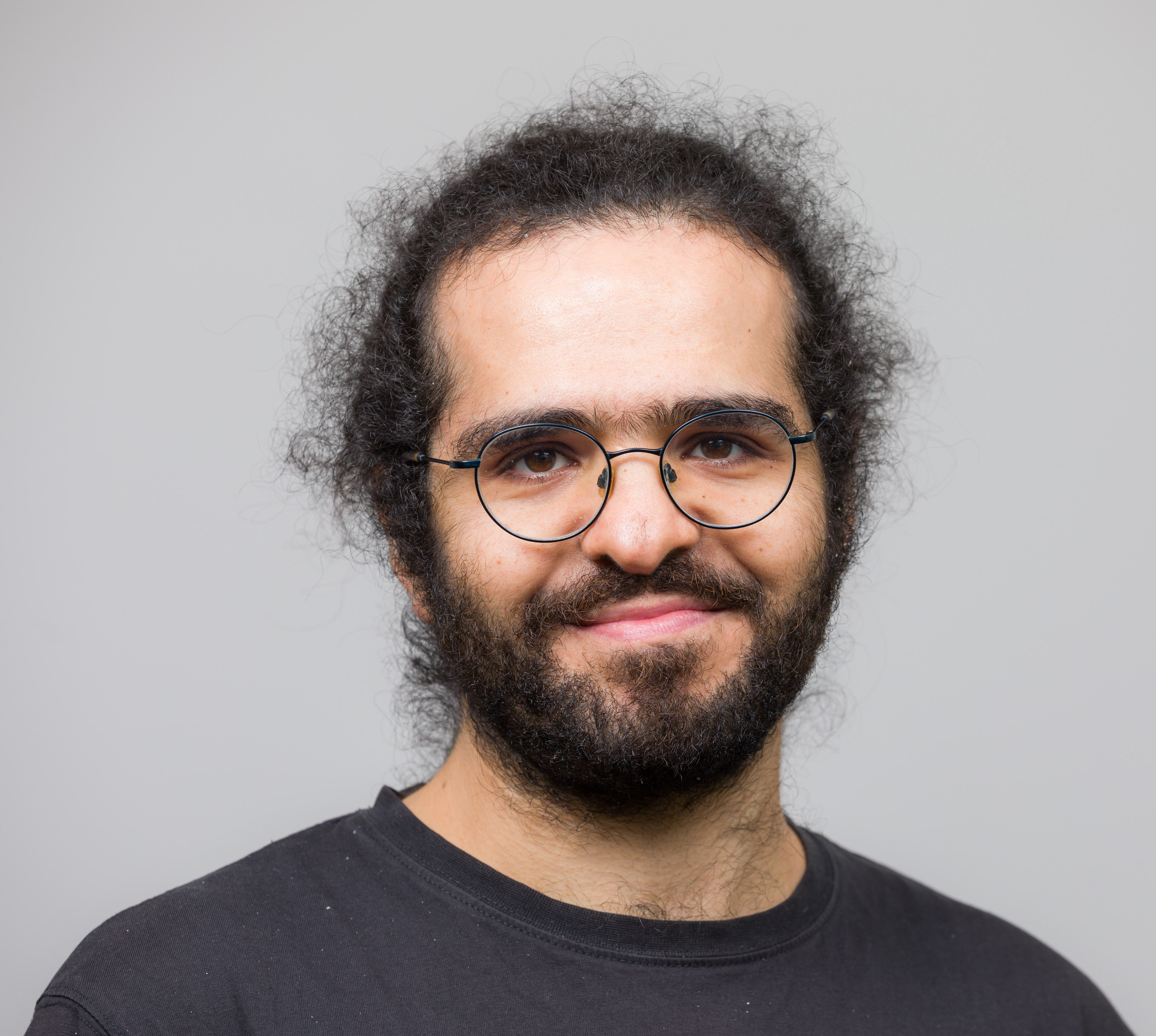
I am a co-PI at the CMC Unit and an assistant professor at Dresden University of Technology. My research focuses on how different animals build internal “world models” of the environment to predict outcomes while accommodating the embodied constraints that shape and restrict the strategies available to act on those models. These internal representations allow animals to simulate future scenarios, test competing hypotheses, and plan actions even in situations they have never directly encountered. At the same time, physical embodiment, including sensory limits, biomechanics, and allostatic needs like hunger and thirst, restricts the strategies available for acting on these predictions. By integrating computational frameworks that link internal representations with the embodied constraints across species, we aim to uncover how the brain jointly coordinates prediction and physical constraint to produce adaptive, biologically grounded decision-making.
My scientific journey began in physics, where I completed my undergraduate degree at the University of Tehran, before turning to neuroscience. During my PhD at the Max Planck Institute for Biological Cybernetics, supervised by Nikos Logothetis, I investigated the neural mechanisms underlying perceptual decision-making in non-human primates. For my postdoc with Peter Dayan, I shifted toward computational research, developing reinforcement learning models to characterize perceptual selection as a form of internal decision-making. Since October 2023, I have been an Assistant Professor at TU Dresden.